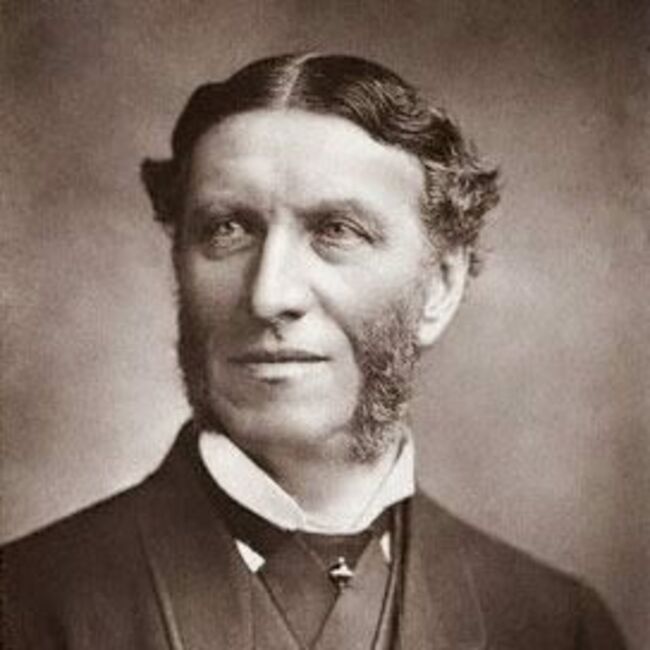
Overview
Poem Title: The Scholar-Gipsy
Author: Matthew Arnold
Genre: Elegy, Topographical Poem, 25 Stanza of 10 lines each.
Compose –It’s written soon after Sohrab and Rustum in 1853.
Published: 1853, in Poems by Matthew Arnold
Associated Work: Thyrsis (companion poem)
Inspirational Source: Joseph Glanvill’s The Vanity of Dogmatizing (1661), which recounts a 17th-century Oxford tale.
Original Story
The poem’s foundation is a story from Glanvill about a poor Oxford student who leaves academia to join a band of gipsies.
– The student learns the gipsies’ “traditional kind of learning,” which includes powers related to the imagination and mental influence.
– He promises to return and share his knowledge with the world but instead lives on as a legend, wandering and seeking higher truth.
Synopsis of “The Scholar Gipsy”
“The Scholar-Gipsy” by Arnold, एक प्रसिद्ध कविता है, जो एक पुरानी ऑक्सफोर्ड Study की कहानी पर आधारित है। इसमें एक ऑक्सफोर्ड के छात्र का वर्णन है जो आधुनिक जीवन की सीमाओं से हटकर एक नए और स्वतंत्र जीवन की खोज में Gipsy जनजाति के साथ रहने का निर्णय लेता है। यह छात्र ज्ञान प्राप्ति की खोज में अपने मित्रों और प्रतिष्ठित जीवन को छोड़ देता है और Gipsy की असामान्य विद्या और जीवनशैली को अपनाता है।
कवि पाठक को छात्र की कथा के माध्यम से आधुनिक जीवन की जटिलताओं और निराशाओं से अलग एक साधारण, शांत और उद्देश्यपूर्ण जीवन की ओर प्रेरित करता है। अर्नोल्ड ने उस विद्या का उल्लेख किया है जो स्वर्ग से प्राप्त होने वाली प्रेरणा पर आधारित होती है और केवल उन विशेष क्षणों में ही मिलती है। इसके अतिरिक्त, कविता में बार-बार प्राकृतिक वातावरण के विवरण से पाठक को प्रकृति के शांतिपूर्ण माहौल में जाने का अनुभव होता है, जिससे कवि और विद्या का एक गहरा संबंध दिखाई देता है।
इस प्रकार, “The Scholar-Gipsy” केवल एक साधारण जीवन के आदर्श की खोज नहीं है, बल्कि आधुनिक मानव के आंतरिक संघर्ष और उसकी शांति की आकांक्षा को भी दर्शाती है।
1. Opening Scene and Setting:
Arnold introduces a pastoral scene, featuring a shepherd and a peaceful countryside near Oxford.
The poet reflects on the rural beauty, with Oxford symbolizing the classical world of knowledge.
2. Retelling of Glanvill’s Story:
Arnold repeats the story of the scholar gipsy, adding a mythic aura. Rumors suggest the scholar is seen sporadically around Oxford.
The scholar gipsy becomes an elusive, timeless figure, unaffected by aging or the hardships of a changing world.
3. Themes of Timelessness and Mortality:
Arnold expresses doubt about the scholar gipsy’s continued life but reasons that he could evade mortality by avoiding human suffering and restlessness.
Key Lines (142-146): Arnold explains that humans age and tire due to “change to change” in life, which the scholar gipsy has transcended by renouncing societal constraints-
“Tis that from change to change their being rolls;
‘Tis that repeated shocks, again, again,
Exhaust the energy of strongest souls
And numb the elastic powers.”
Another important Lines-
“Before this strange disease of modern life,
With its sick hurry, its divided aims,
Its heads o’ertax’d, its palsied hearts, was rife—
Fly hence, our contact fear!”
4. Critique of Modern Life:
Arnold describes modern life as afflicted by “sick hurry” and “divided aims,” causing fatigue and doubt.
The poet warns the scholar gipsy to steer clear of modern society to avoid contamination by its “strange disease.”
5. Final Simile of the Tyrian Merchant:
Arnold concludes with a metaphor of a Tyrian sailor, fleeing Greek competition to find a new life in Iberia, symbolizing the scholar’s journey for a pure, uninterrupted quest for knowledge.
Personal Influence:
Arnold associated the poem with memories of wandering with friends in the Cumner hills.
Important Lines
1. “Go, for they call you, shepherd, from the hill;”
Hindi: “जाओ, क्योंकि वे तुम्हें बुला रहे हैं, चरवाहे, पहाड़ी से।”
2. “And only the white sheep are sometimes seen”
Hindi: “और केवल सफेद भेड़ें कभी-कभी देखी जाती हैं।”
3. “Thou waitest for the spark from heaven!”
Hindi: “तुम स्वर्ग से चिंगारी की प्रतीक्षा कर रहे हो!”
4. “The generations of thy peers are fled,”
Hindi: “तुम्हारे समकालीनों की पीढ़ियाँ भाग चुकी हैं।”
5. “Fly hence, our contact fear!”
Hindi: “यहां से उड़ो, हमारे संपर्क से डर!”
Important Phrases and Vocabulary:
1. “wattled cotes”
Hindi Meaning: भेड़ों का बाड़ा
Explanation: A fenced or enclosed area for sheep.
2. “moon-blanch’d green”
Hindi Meaning: चांदनी से फीका हुआ हरा
Explanation: Grass that appears pale in the moonlight.
3. “reaper”
Hindi Meaning: फसल काटने वाला
Explanation: One who harvests crops.
4. “pensive”
Hindi Meaning: विचारशील
Explanation: Thoughtful, often with a touch of sadness.
5. “antique shape”
Hindi Meaning: प्राचीन आकार
Explanation: Referring to something old-fashioned or ancient in appearance.
6. “gipsy-lore”
Hindi Meaning: बंजारा ज्ञान
Explanation: The traditional knowledge and practices of gypsies.
7. “unconquerable hope”
Hindi Meaning: अजेय आशा
Explanation: A hope or desire that cannot be defeated.
8. “sick hurry”
Hindi Meaning: बीमार करने वाली जल्दबाजी
Explanation: Refers to the overwhelming rush and stress of modern life.
9. “Glanvil’s book”
Hindi Meaning: ग्लैंविल की पुस्तक
Explanation: Refers to the writings of Joseph Glanvil, a philosopher known for his studies on the supernatural.
10. “the spark from heaven”
Hindi Meaning: स्वर्ग से चिंगारी
Explanation: Represents a divine or profound inspiration.
Critical Reception
1. Matthew Arnold’s View:
Arnold himself questioned the poem’s value, suggesting it evoked only “a pleasing melancholy” rather than providing inspiration or ennobling the reader.
2. Edmund Blunden:
Blunden praised the poem for representing a universal “living ghost” of personal memories and aspirations, avoiding a strict plot or literal imagery.
3. F. R. Leavis:
Leavis saw the poem as a “holiday from serious aims,” interpreting the Scholar Gipsy as a symbol of Victorian poetry’s escapist, relaxing essence.
Key Themes and Symbols
1. The Scholar Gipsy as a Symbol:
Represents timeless pursuit, untainted by society’s “sick hurry” and aimless rush.
Embodies a desire for truth and unbroken intellectual purity, in contrast to modern society’s distractions.
2. The “Disease of Modern Life”:
Arnold critiques the anxieties and fragmentation of Victorian society.
This theme contrasts the scholar gipsy’s peaceful timelessness with the “sick hurry” of contemporary life.
3. Pastoral and Mythic Imagery:
Uses pastoral landscapes and mythical undertones to create a sense of tranquility and otherworldliness.
Oxford and the surrounding countryside serve as idealized spaces for reflection and eternal knowledge.
4. The Tyrian Merchant :
The Tyrian merchant’s retreat from competition mirrors the scholar gipsy’s escape from society, symbolizing purity and a timeless search for new knowledge.
Examination Tip
- Focus on Arnold’s criticism of modern life and how he contrasts it with the scholar gipsy’s timeless existence.
- Analyze key symbols such as the “disease of modern life” and the Tyrian merchant for essay-style questions.
- Remember critical perspectives and quotes, such as those from Matthew Arnold and F. R. Leavis, for discussions on the poem’s impact and themes.
- Pay attention to Arnold’s use of pastoral and mythological imagery, as it’s central to understanding the tone and setting.
Exercise
1. What inspired Matthew Arnold to write The Scholar-Gipsy?
– A. Greek mythology
– B. An Oxford legend recounted by Joseph Glanvill
– C. Personal experiences in the hills
– D. The Bible
Answer: B. An Oxford legend recounted by Joseph Glanvill
2. Which genre does The Scholar-Gipsy belong to?
– A. Pastoral poetry
– B. Sonnet sequence
– C. Elegy, Topographical Poem
– D. Epic poem
Answer: C. Elegy, Topographical Poem
3. In The Scholar-Gipsy, Arnold contrasts the scholar’s life with modern life, which he describes as plagued by…
– A. Peace and harmony
– B. “Sick hurry” and “divided aims”
– C. Wealth and fortune
– D. Scientific discoveries
Answer: B. “Sick hurry” and “divided aims”
4. What does the “spark from heaven” symbolize in the poem?
– A. Divine inspiration or truth
– B. A new discovery in science
– C. Fame and fortune
– D. The power of imagination
Answer: A. Divine inspiration or truth
5. Who is the “Tyrian Merchant” a metaphor for in the poem’s conclusion?
– A. The competitive spirit of merchants
– B. Arnold’s desire for solitude
– C. The scholar gipsy’s pursuit of uninterrupted knowledge
– D. The modern man’s busy life
Answer: C. The scholar gipsy’s pursuit of uninterrupted knowledge
6. Which of the following is NOT a theme in The Scholar-Gipsy?
– A. The beauty of nature
– B. The timeless quest for truth
– C. The pressures of modern life
– D. Heroic valor and bravery
Answer: D. Heroic valor and bravery
7. Arnold portrays Oxford and the surrounding countryside as…
– A. A place of turmoil and conflict
– B. A symbol of industrial growth
– C. An idealized space for reflection and eternal knowledge
– D. A commercial hub
Answer: C. An idealized space for reflection and eternal knowledge
8. What type of imagery does Arnold frequently use in The Scholar-Gipsy to evoke a sense of timelessness?
– A. War and conquest imagery
– B. Pastoral and mythological imagery
– C. Industrial and mechanical imagery
– D. Urban city life
Answer: B. Pastoral and mythological imagery
9. What key concept does the “disease of modern life” critique in Arnold’s poem?
– A. The lack of education in society
– B. The rapid industrialization and its effect on mental peace
– C. The excessive religious beliefs of the time
– D. The promotion of a sedentary lifestyle
Answer: B. The rapid industrialization and its effect on mental peace
10. In Arnold’s view, what allows the scholar gipsy to evade the “lapse of hours” or mortality?
– A. His withdrawal from society’s restlessness and continuous change
– B. His practice of magic
– C. His intense focus on monetary gain
– D. His extensive travels around the world
Answer: A. His withdrawal from society’s restlessness and continuous change