5. Source Material: Based on an episode from the Persian epic Shahnameh by Ferdowsi
6. Number of Lines: 892 lines
7. Style Influence: Arnold aimed to imitate the “grandeur and rapidity” of Homer’s style
8. Main Characters:
Rustum: The greatest Persian warrior, a tragic hero.
Sohrab: His son, who seeks his father but is killed by him in single combat.
9. Setting: The battlefield between the Persian and Tartar armies, with the Oxus River as a significant symbol.
10. Key Plot Point: Sohrab unknowingly fights his father, Rustum, and is fatally wounded. Rustum only realizes the truth of their relationship after seeing the seal on Sohrab’s arm.
11. Ending: Rustum mourns over the body of his son by the banks of the Oxus River, which symbolizes the enduring passage of time and life, in contrast to the temporary nature of human conflict.
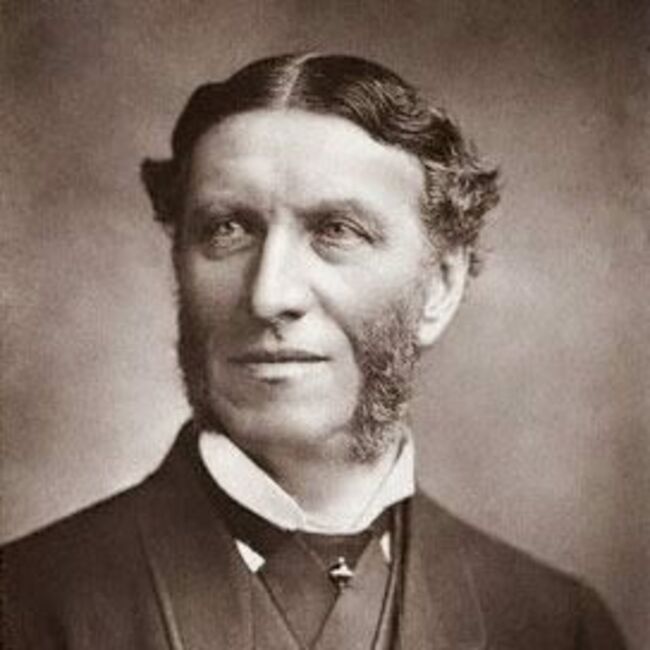
Sohrab and Rustum: An Episode is a narrative poem first published in 1853.
Arnold, who could not read the original Persian, relied on summaries from John Malcolm’s History of Persia and SainteBeuve’s review of a French translation of Ferdowsi’s work Shahnameh.
Arnold aimed to capture the “grandeur and rapidity” of Homer’s style, which he later elaborated on in his lectures On Translating Homer (1861).
Synopsis:
Rustum’s Marriage and Departure:
Rustum, the greatest Persian warrior, marries the daughter of the King of Aderbaijan. Shortly after, he leaves to continue his military exploits, unaware that his wife is pregnant.
Sohrab’s Birth and Secret:
Rustum’s wife gives birth to a son, Sohrab, but to prevent Rustum from taking the boy to raise him as a warrior, she tells Rustum that the child is a girl.
Sohrab’s Quest for His Father:
As Sohrab grows up, he becomes a skilled warrior. Longing to meet his father, Sohrab joins the army of the Tartar King Afrasiab, hoping his feats in battle will attract Rustum’s attention.
Challenge of Single Combat:
Before a battle between the Tartars and the Persians, Sohrab challenges the greatest Persian warrior to single combat to gain
fame. Rustum, now in self-imposed retirement, reluctantly accepts the challenge but conceals his identity by wearing plain armor.
Father and Son Confrontation:
Upon seeing his opponent, Sohrab intuitively suspects Rustum is his father and asks him directly. Rustum, unaware of Sohrab’s identity and suspecting a trick, denies it and provokes Sohrab to fight.
The Battle:
In their first encounter, Sohrab skillfully dodges Rustum’s heavy blow, causing Rustum to fall. Instead of attacking, Sohrab offers a truce. Rustum, enraged by his fall, resumes the battle with fierce intensity. They fight until a sandstorm engulfs them.
Fatal Blow:
In a moment of desperation, Rustum shouts his own name, confusing Sohrab. Taking advantage of this pause, Rustum fatally wounds Sohrab with a spear.
The Tragic Revelation:
As Sohrab lies dying, he mentions his father, Rustum, who will avenge him. Rustum realizes the truth when he sees the seal on Sohrab’s arm, given by his mother. Overcome with grief, Rustum mourns his son.
The Oxus River:
The poem ends with Rustum grieving beside Sohrab by the Oxus River, with a serene description of the river flowing under the stars and moonlight towards the Aral Sea, symbolizing emotional relief amidst tragedy.
Themes
1. Fate and Tragedy
2. Miscommunication and Misunderstanding
3. Honor and Heroism
4. FatherSon Relationship
5. Nature and the Human Condition
Critical Comments
1. Tragic Power and Classical Influence:
Arnold’s imitation of Homer is seen not just in the elevated style but also in the narrative’s epic nature, despite being based on Persian legend.
2. Language and Imagery:
Nature serves both as a witness to human suffering and a reminder of the larger, indifferent forces that govern life.
3. Emotional Complexity:
The poem is praised for its emotional depth, particularly in the closing scene where Rustum realizes the identity of Sohrab. The moment of recognition, often compared to Aristotle’s concept of anagnorisis, marks the climax of the poem and underscores the theme of irreversible loss.
Critics often highlight the pathos of the final scene, where the griefstricken Rustum is left alone, mourning the death of his son. The contrast between personal loss and the continuous flow of the Oxus River deepens the tragic sense of the narrative.
Exercise-
1. What natural element serves as a significant symbol in the poem, particularly at the end?
a) Mountains
b) Oxus River
c) Desert sand
d) Forest trees
Answer: b) Oxus River
2. In what year was “Sohrab and Rustum: An Episode” first published?
a) 1861
b) 1853
c) 1848
d) 1865
Answer: b) 1853
3. Which verse form is used in “Sohrab and Rustum: An Episode”?
a) Rhymed couplets
b) Free verse
c) Blank verse
d) Heroic couplets
Answer: c) Blank verse
4. “Sohrab and Rustum: An Episode” is based on an episode from which Persian epic?
a) Rubaiyat of Omar Khayyam
b) Shahnameh
c) The Epic of Gilgamesh
d) The Odyssey
Answer: b) Shahnameh
5. What is the central conflict in “Sohrab and Rustum: An Episode”?
a) Sohrab fights the Tartar King Afrasiab
b) Sohrab unknowingly battles his father, Rustum
c) Rustum fights to defend his homeland from invaders
d) Rustum fights against his brother for the throne
Answer: b) Sohrab unknowingly battles his father, Rustum
6. How does Rustum realize that Sohrab is his son?
a) He recognizes Sohrab’s face
b) He remembers his wife’s words
c) He sees the seal on Sohrab’s arm
d) Sohrab confesses before dying
Answer: c) He sees the seal on Sohrab’s arm
7. Which of the following themes is NOT a major theme in “Sohrab and Rustum: An Episode”?
a) Miscommunication and Misunderstanding
b) Honor and Heroism
c) Love and Marriage
d) Fate and Tragedy
Answer: c) Love and Marriage
8. What classical style did Arnold aim to imitate in “Sohrab and Rustum”?
a) The grandeur and rapidity of Homer’s style
b) The philosophical depth of Plato
c) The tragic intensity of Sophocles
d) The lyrical beauty of Ovid
Answer: a) The grandeur and rapidity of Homer’s style
9. What is the tragic revelation that occurs at the climax of the poem?
a) Sohrab realizes he can never meet his father
b) Rustum realizes Sohrab is not a Persian warrior
c) Rustum discovers that Sohrab is his son only after fatally wounding him
d) Sohrab vows to avenge his father’s death
Answer: c) Rustum discovers that Sohrab is his son only after fatally wounding him
For daily live sessions you can join us , free of cost –