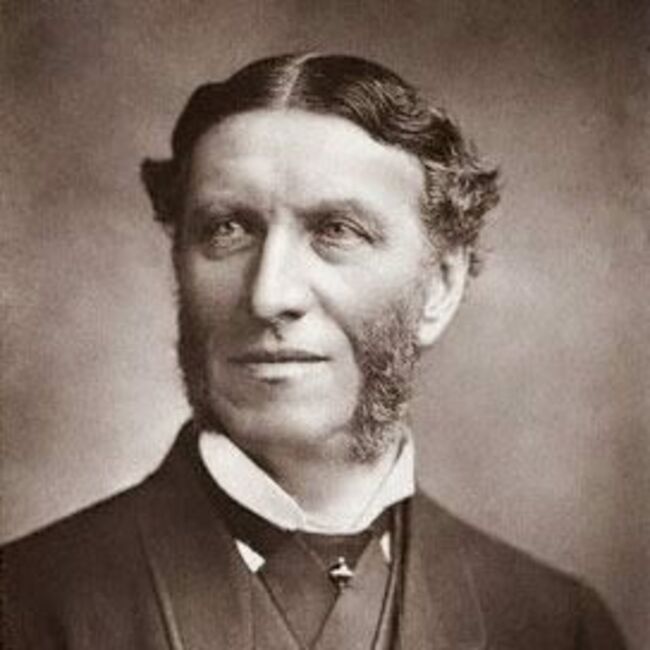
Matthew Arnold

Memorial Verses by Matthew Arnold’s Elegy on Wordsworth for PGT TGT GIC

Matthew Arnold’s Elegy on Wordsworth The elegy was written after the death of William Wordsworth in 1850, marking the end of the Romantic era, as Wordsworth was the last of the great Romantic poets. Matthew Arnold, who held Wordsworth’s poetry in high regard, uses the poem to honor Wordsworth’s legacy. Comparison with European Romantic Figures: […]

Memorial Verses by Matthew Arnold’s Elegy on Wordsworth for PGT TGT GIC Read More »

The Scholar Gipsy By Matthew Arnold for PGT GIC

Overview Poem Title: The Scholar-Gipsy Author: Matthew Arnold Genre: Elegy, Topographical Poem, 25 Stanza of 10 lines each. Compose –It’s written soon after Sohrab and Rustum in 1853. Published: 1853, in Poems by Matthew Arnold Associated Work: Thyrsis (companion poem) Inspirational Source: Joseph Glanvill’s The Vanity of Dogmatizing (1661), which recounts a 17th-century Oxford tale.

The Scholar Gipsy By Matthew Arnold for PGT GIC Read More »

Sohrab and Rustum: An Episode by Matthew Arnold for PGT GIC

1. Poet: Matthew Arnold 2. Published: 1853 3. Form: Narrative poem 4. Verse Structure: Blank verse (unrhymed iambic pentameter) 5. Source Material: Based on an episode from the Persian epic Shahnameh by Ferdowsi 6. Number of Lines: 892 lines 7. Style Influence: Arnold aimed to imitate the “grandeur and rapidity” of Homer’s style 8. Main

Sohrab and Rustum: An Episode by Matthew Arnold for PGT GIC Read More »

Matthew Arnold – Biographical Facts for TGT GIC

Birth and Family Background: Born on 24 December 1822 in Laleham-on-Thames, Middlesex, England. Eldest son of Thomas Arnold, a renowned headmaster of Rugby School, and Mary Penrose Arnold. His father, a key figure in British educational reform, profoundly influenced Arnold’s worldview. His mother’s intellectual heritage also shaped his cultural and intellectual environment. Arnold had notable

Matthew Arnold – Biographical Facts for TGT GIC Read More »