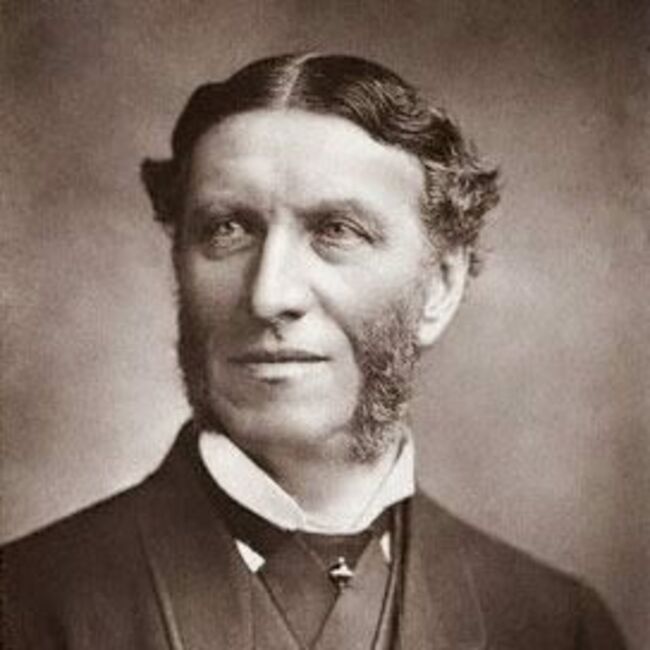
Overview and Context:
“Dover Beach” by Matthew Arnold is a lyrical meditation on the changing tides of faith and societal values, written during the Victorian era, a time marked by spiritual doubt and scientific advancement. Composed likely around 1851 and published in New Poems in 1867, the poem reflects Arnold’s views on the waning of religious faith in modern society, and it uses the setting of Dover, a locale facing the French coast across the English Channel, as a backdrop for its metaphoric exploration.
Here are study points based on Dover Beach:
1. Poem Overview: Dover Beach is a 37-line lyric poem by Matthew Arnold, featuring a first-person speaker contemplating the human condition.
2. Lyric Poem: A lyric poem is characterized by a first-person speaker who reveals their state of mind, emotions, and perceptions. It is typically short and introspective, focusing on the unfolding thoughts and feelings of the speaker.
3. Setting and Imagery: The speaker is on the shore of the English Channel, observing a calm sea and moonlight reflected on the water.
4. Progression of Thought: Starting with peaceful observations, the speaker gradually becomes more reflective and contemplative.
5. Sophocles Reference: The speaker recalls Sophocles, the Greek dramatist, who connected the sound of tides with human suffering, reinforcing the theme of existential sadness.
6. Crisis of Faith: The speaker laments the diminishing influence of religion, suggesting a loss of faith and spiritual certainty.
7. Appeal to the Beloved: The speaker addresses his companion, asking for fidelity and unity amidst a world lacking love and empathy.
8. Meter and Rhyme Scheme: Arnold uses a variable meter and unpredictable rhyme scheme, symbolizing the instability and uncertainty of modern life, reflecting the speaker’s own crisis of faith.
9. Themes: The poem explores themes of faith, love, existential despair, and the sense of alienation in a spiritually unstable era.
Text
The sea is calm tonight.
The tide is full, the moon lies fair
Upon the straits; on the French coast the light
Gleams and is gone; the cliffs of England stand,
Glimmering and vast, out in the tranquil bay.
Come to the window, sweet is the night-air!
Only, from the long line of spray
Where the sea meets the moon-blanched land,
Listen! you hear the grating roar
Of pebbles which the waves draw back, and fling,
At their return, up the high strand,
Begin, and cease, and then again begin,
With tremulous cadence slow, and bring
The eternal note of sadness in.
Sophocles long ago
Heard it on the Ægean, and it brought
Into his mind the turbid ebb and flow
Of human misery; we
Find also in the sound a thought,
Hearing it by this distant northern sea.
The Sea of Faith
Was once, too, at the full, and round earth’s shore
Lay like the folds of a bright girdle furled.
But now I only hear
Its melancholy, long, withdrawing roar,
Retreating, to the breath
Of the night-wind, down the vast edges drear
And naked shingles of the world.
Ah, love, let us be true
To one another! for the world, which seems
To lie before us like a land of dreams,
So various, so beautiful, so new,
Hath really neither joy, nor love, nor light,
Nor certitude, nor peace, nor help for pain;
And we are here as on a darkling plain
Swept with confused alarms of struggle and flight,
Where ignorant armies clash by night.
Analysis and Criticism
1. Imagery of Nature and Soundscapes (Lines 1–14):
Analysis: The poem opens with calm imagery of the moonlit sea, which creates a peaceful but transient atmosphere. Arnold uses auditory imagery, like “grating roar” and “tremulous cadence slow,” to bring forth the continuous, unsettling sound of pebbles. This “eternal note of sadness” signifies the underlying melancholy Arnold associates with human suffering.
Poetic Devices: Alliteration (“sweet is the night-air”), enjambment, and onomatopoeia (“grating roar”) emphasize the vivid auditory and visual experience.
2. Historical and Literary Allusion to Sophocles (Lines 15–20):
Analysis:
Arnold references Sophocles, who, standing by the Aegean Sea, also heard the “note of sadness” that echoes human misery. Arnold uses this allusion to connect historical perceptions of suffering with his contemporary view, suggesting that this melancholy is timeless.
Poetic Devices: Allusion, enjambment, and metaphor draw parallels between ancient and modern experiences of sorrow.
Exam Focus: Explain the significance of the reference to Sophocles in the context of the poem’s theme of universal suffering.
3. The “Sea of Faith” Metaphor (Lines 21–28):
Analysis:
Arnold describes a bygone era when faith was at its zenith, enveloping the world like a “bright girdle.” This metaphor reflects his nostalgia for a time when religion provided meaning and certainty, contrasting it with the “melancholy, long, withdrawing roar” of faith receding in the modern age.
Poetic Devices: Extended metaphor (“Sea of Faith”), simile, and symbolism emphasize the shift from faith to doubt.
Exam Focus: Discuss how Arnold uses the “Sea of Faith” metaphor to convey his views on the decline of religious certainty in Victorian society.
4. The “Darkling Plain” and Human Struggle (Lines 29–37):
Analysis: In the final stanza, Arnold shifts from a nostalgic reflection to an appeal for love as the only stable force in an unpredictable world. The “darkling plain” represents a world devoid of faith, filled with “confused alarms of struggle and flight,” and reminiscent of Thucydides’ chaotic battlefield.
Poetic Devices: Metaphor, imagery (“darkling plain”), and simile capture the chaotic, disorienting nature of modern existence.
Exam Focus: Analyze the imagery of the “darkling plain” and discuss how it reflects Arnold’s views on the human condition in the absence of faith.
Critical Examination:
Conflict Between Idealism and Reality: Arnold contrasts the beauty of the natural scene with an underlying tone of despair, a common theme in Victorian poetry that wrestles with the diminishing certainty of faith in an increasingly scientific and secular age.
Symbolism of the Sea: The sea embodies both natural beauty and a symbol of faith, ebbing and flowing as societal beliefs fluctuate.
Emotional Shifts: Arnold’s tone moves from tranquil observation to solemn despair, culminating in an urgent plea for personal loyalty against the backdrop of a fragmented world.
Exam Questions:
1. How does Arnold employ the metaphor of the “Sea of Faith” to discuss the Victorian crisis of faith?
2. Explain the significance of auditory imagery in the poem and how it contributes to the overall mood.
3. Discuss Arnold’s use of historical allusions in the poem and their relevance to his theme of universal human suffering.
Exercise
1. In “Dover Beach,” what does the metaphor of the “Sea of Faith” primarily represent?
– A) The Victorian love of the sea
– B) Arnold’s appreciation for nature
– C) The waning of religious faith
– D) The beauty of the moonlit night
– Answer: C) The waning of religious faith
2. Which poetic device is used in the phrase “grating roar” to convey sound in the poem?
– A) Simile
– B) Onomatopoeia
– C) Alliteration
– D) Metaphor
– Answer: B) Onomatopoeia
3. What is the significance of Arnold’s reference to Sophocles in the poem?
– A) It adds historical depth and connects past and present human suffering
– B) It symbolizes the beauty of ancient Greek culture
– C) It shows Arnold’s admiration for Greek literature
– D) It suggests Sophocles’ knowledge of the English Channel
– Answer: A) It adds historical depth and connects past and present human suffering
4. What tone shift occurs in “Dover Beach” from the beginning to the end of the poem?
– A) From excitement to peace
– B) From tranquility to despair
– C) From joy to anger
– D) From confusion to clarity
– Answer: B) From tranquility to despair
5. Which of the following best describes the mood of the final stanza in “Dover Beach”?
– A) Nostalgic and hopeful
– B) Dark and urgent
– C) Peaceful and serene
– D) Indifferent and detached
– Answer: B) Dark and urgent
6. What does the “darkling plain” symbolize in the poem?
– A) The beauty of the natural landscape
– B) The uncertainty and struggle in a world lacking faith
– C) Arnold’s love for the sea
– D) A vision of paradise
– Answer: B) The uncertainty and struggle in a world lacking faith
7. Which literary device does Arnold use when he writes, “The sea is calm tonight. The tide is full, the moon lies fair”?
– A) Metaphor
– B) Alliteration
– C) Personification
– D) Irony
– Answer: C) Personification
8. What does Arnold propose as a source of stability in the face of a chaotic world, as suggested in the poem’s final stanza?
– A) Faith in religion
– B) Love and loyalty between individuals
– C) Scientific progress
– D) Appreciation of nature
– Answer: B) Love and loyalty between individuals
9. How does the poem “Dover Beach” reflect Victorian concerns?
– A) By celebrating industrial advancements
– B) By focusing on the beauty of nature
– C) By lamenting the decline of religious faith amidst scientific progress
– D) By showing an optimistic outlook on the future
– Answer: C) By lamenting the decline of religious faith amidst scientific progress
10. Which of these lines exemplifies Arnold’s use of auditory imagery in “Dover Beach”?
– A) “The sea is calm tonight.”
– B) “The cliffs of England stand, Glimmering and vast.”
– C) “Listen! you hear the grating roar of pebbles.”
– D) “Lay like the folds of a bright girdle furled.”
– Answer: C) “Listen! you hear the grating roar of pebbles.”